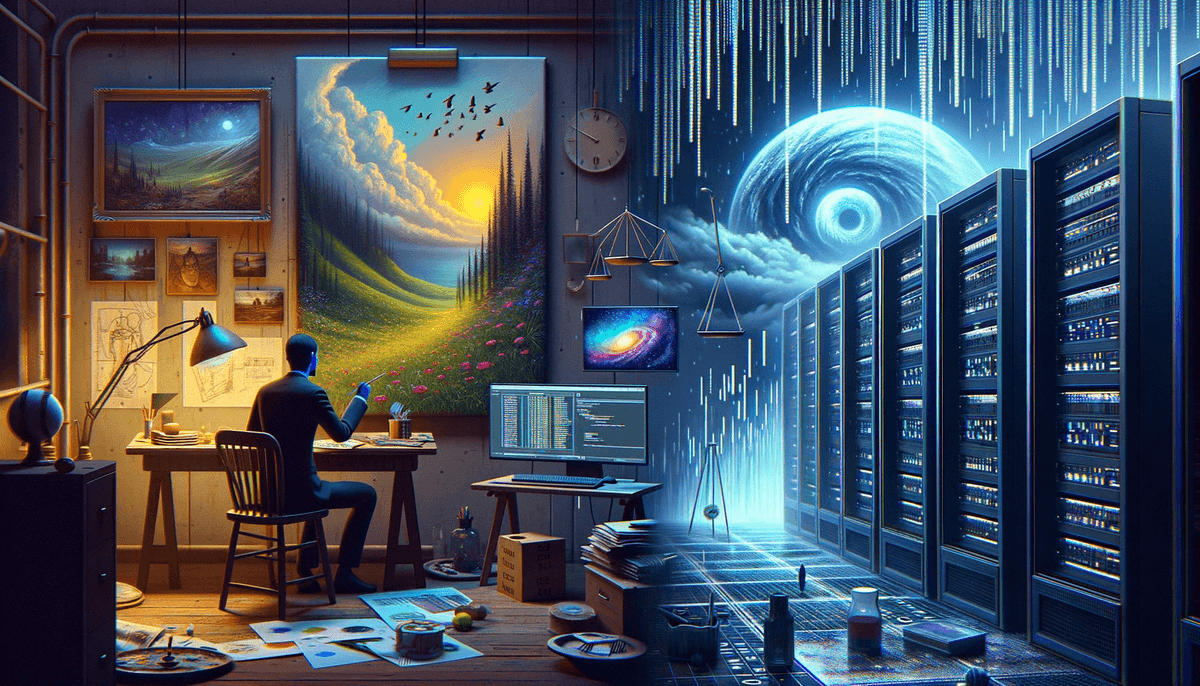
Unveiling the implications of the data poisoning tool, Nightshade, on AI trust. Highlighting artists' fight for rights and the shift in AI ethics. A deep dive into trust, and artistic integrity.
The emergence of the data poisoning tool, Nightshade, has significant implications for the trust in generative AI models. Nightshade allows artists to add imperceptible changes to their artwork, which can disrupt the training data used by AI models. This disruption can cause chaotic and unpredictable outcomes in the generated outputs of the models.
The tool addresses a growing concern among artists regarding AI companies’ unauthorized use of their work for training purposes. By “poisoning” the training data, artists can potentially render future iterations of AI models ineffective, distorting the output unexpectedly. This development comes when AI companies, including OpenAI, Meta, Google, and Stability AI, face legal challenges from artists who claim their copyrighted material has been used without consent or compensation.
Nightshade, along with its companion tool, Glaze, provides artists with a means to protect their creative work. Glaze allows artists to mask their personal style, making it more difficult for AI systems to scrape and replicate their artwork. By integrating Nightshade into Glaze, artists can use the data-poisoning tool to safeguard their creations further.
The open-source nature of Nightshade encourages collaboration and innovation. As more artists adopt the tool and create their own versions, its effectiveness grows. Given that large AI models rely on massive datasets, the increased presence of poisoned images within these datasets can amplify the technique’s impact.
However, it is essential to acknowledge the potential misuse of data poisoning techniques. While Nightshade requires a significant number of poisoned samples to cause substantial damage to larger models, there is a risk that malicious actors may exploit this tool. Safeguarding against such attacks is a pressing concern that requires ongoing research and the development of robust defenses.
The introduction of Nightshade raises questions about the trust placed in AI models going forward. As demonstrated by Nightshade, vulnerabilities in these models underscore the need for better safeguards and ethical practices. Researchers and experts in the field emphasize the urgency of working on defenses to mitigate the potential risks associated with poisoning attacks.
The impact of Nightshade extends beyond the technical realm. It has the potential to reshape the power dynamics between AI companies and artists. By creating a powerful deterrent against the unauthorized use of artists’ work, Nightshade aims to restore control and ownership to the creators. This can lead to a shift in AI companies’ practices, encouraging them to respect artists’ rights and potentially reconsider opt-out policies.
The use of Nightshade and Glaze has already empowered artists to reclaim their online presence and protect their work. By providing a tool that helps artists regain control over their creations, Nightshade and Glaze contribute to a more equitable and respectful relationship between AI models and artists.
In conclusion, the introduction of the data poisoning tool Nightshade represents a significant development in the fight against unauthorized use of artists’ work by AI companies. While it poses challenges and risks, it also offers the potential to enhance trust in AI models through increased accountability and respect for artists’ rights. The ongoing evolution of such tools and the concerted efforts to strengthen defenses against poisoning attacks will shape the future of AI and its relationship with the creative community.
As we navigate the evolving landscape of AI and its impact on various industries, it is crucial to prioritize the protection of artists’ intellectual property and foster an environment of trust and collaboration. Nightshade and similar tools provide artists with the means to defend their work against unauthorized use, while also encouraging AI companies to adopt more responsible practices. By embracing these tools, we can work towards a future where artists’ rights are respected, and the potential of AI is harnessed in a fair and ethical manner.
The trust placed in AI models is of paramount importance, as these models play an increasingly prominent role in our lives. People rely on AI-generated content for various purposes, from personal assistants to creative applications. If trust in these models is eroded due to concerns about the unauthorized use of artists’ work, it can have far-reaching consequences.
Artists invest their time, creativity, and passion into their creations. They deserve recognition, respect, and the ability to control how their work is used. Nightshade provides a tool for artists to assert their rights and protect their creations from being exploited by AI companies. By disrupting the training data, Nightshade introduces an element of unpredictability and forces AI models to confront the limitations of their training.
The impact of Nightshade goes beyond the immediate protection of artists’ work. It prompts a fundamental reevaluation of the relationship between AI models, artists, and society as a whole. It highlights the need for AI companies to consider the ethical implications of their data collection practices and respect artists’ rights to control the use of their creations.
Furthermore, Nightshade raises awareness about the potential vulnerabilities of AI models. The fact that a tool like Nightshade can disrupt the training data and impact the output of AI models underscores the need for robust defenses and ongoing research to address these vulnerabilities. The trust in AI models can only be maintained if there is confidence in their reliability, fairness, and respect for intellectual property rights.
The introduction of Nightshade also brings to the forefront the importance of collaboration and open-source initiatives in the development of AI tools. By making Nightshade open source, the creators invite other artists and researchers to contribute to its development and improvement. This collective effort enhances the tool’s effectiveness and fosters a sense of community among artists who seek to protect their work.
In conclusion, the data poisoning tool Nightshade has significant implications for the trust placed in AI models. It empowers artists to protect their work and challenges AI companies to respect artists’ rights and ethical practices. As we navigate the future of AI, it is essential to prioritize the protection of artists’ intellectual property and foster an environment of trust and collaboration. Nightshade and similar tools serve as a catalyst for change, encouraging responsible AI practices and ensuring that the potential of AI is harnessed in a fair and ethical manner.
To read more, visit MIT Technology Review